
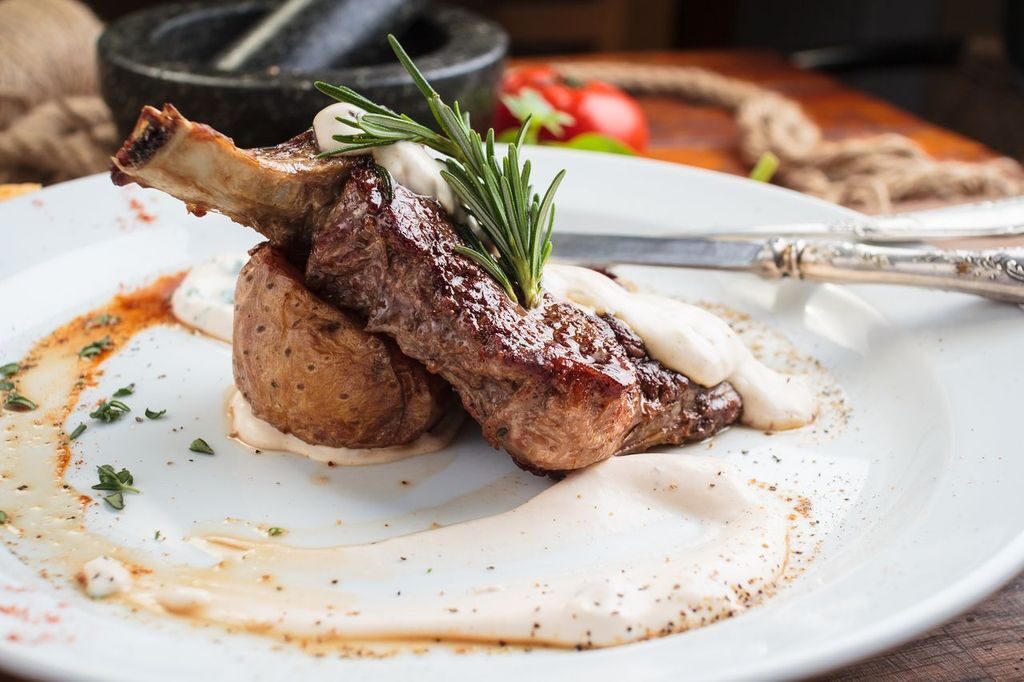
Clarity of flavor is often lost when too many elements compete, and Superior Farms lamb performs best when seasoning is kept direct and controlled, allowing its natural richness to lead rather than forcing complexity through excessive ingredients. The goal is not to build flavor from scratch, but to support what is already present.
Lambs do not need to be constructed; they need to be framed.
Why Complexity Can Work Against Flavor
In many recipes, complexity is treated as a shortcut to depth. More spices, more steps, and more layers are assumed to produce better results. With lamb, this approach often has the opposite effect.
Overcomplication can lead to the following:
- Competing flavors that dilute the overall profile
- Loss of the meat’s natural character
- Muddy or indistinct taste
- Unnecessary preparation without meaningful improvement
When too many variables are introduced, clarity disappears.
What Makes Lamb Naturally Flavor-Forward
Lamb already carries a distinct profile that does not require heavy modification. Its composition allows it to stand on its own with minimal intervention.
This comes from:
- A naturally rich and slightly earthy taste
- Balanced fat content that enhances flavor
- A structure that responds well to direct heat
- Depth that develops even with simple preparation
Because of this, seasoning should support, not replace.
The Role of Salt as a Primary Tool
Salt is often underestimated, but with lamb, it becomes one of the most important elements.
When applied correctly, it:
- Enhances natural flavor without masking it
- Draws out moisture to improve surface texture
- Supports the development of a proper crust
- Balances richness without adding complexity
Often, salt alone can define the dish.
Recipe Spotlight: Grilled Lamb Chops With Salt, Pepper, and Olive Oil
(recipe from americanlamb.com)
A minimal approach that highlights lamb’s natural qualities.
Why it works:
- Limited ingredients keep the flavor focused
- High heat creates contrast between crust and interior
- No competing elements to dilute the taste
This dish is a clear example of restraint producing better results.
Why Fewer Ingredients Create Stronger Outcomes
Using fewer ingredients forces precision. Each element has a purpose and contributes directly to the final result.
This leads to:
- Clearer flavor definition
- Better control over seasoning
- More consistent results
- Reduced risk of imbalance
Simplicity improves execution.
How Heat Replaces Complexity
Proper heat application can do more for flavor than additional ingredients. Searing, grilling, or roasting creates depth through technique rather than layering.
Heat contributes by:
- Creating caramelization on the surface
- Concentrating natural juices
- Enhancing aroma
- Building texture contrast
These effects often replace the need for complex seasoning.
Recipe Spotlight: Roasted Lamb With Garlic and Herbs
(recipe from americanlamb.com)
A simple preparation that relies on technique.
Key strengths:
- Minimal ingredients with clear roles
- Roasting develops flavor without added complexity
- Garlic and herbs enhance rather than dominate
It demonstrates how structure and timing can define the dish.
Why Over-Seasoning Masks Quality
When seasoning becomes excessive, it shifts attention away from the main ingredient. This is particularly noticeable with lamb.
Over-seasoning can:
- Hide the natural flavor of the meat
- Create an imbalance between ingredients
- Make dishes feel heavy or overwhelming
- Reduce the ability to distinguish individual elements
The result is less refined, not more complex.
The Value of Ingredient Restraint
Restraint is not limitation; it is control. Knowing when to stop adding ingredients is as important as knowing what to include.
Effective restraint involves:
- Selecting a small number of complementary flavors
- Allowing each element to remain identifiable
- Avoiding unnecessary additions
- Focusing on execution rather than expansion
This approach leads to more precise outcomes.
Recipe Spotlight: Pan-Seared Lamb With Lemon and Thyme
(recipe from americanlamb.com)
A balanced dish built on simplicity.
Why it stands out:
- Bright acidity contrasts with richness
- Herbs add subtle depth without overpowering
- Quick cooking preserves natural flavor
It shows how minimal additions can create complete dishes.
Why Simplicity Improves Consistency
Complex recipes introduce more variables, increasing the likelihood of inconsistency. Simpler methods reduce that risk.
Benefits include:
- Easier replication of results
- Greater control over timing and temperature
- Reduced margin for error
- More predictable flavor outcomes
Consistency becomes easier to achieve.
Reframing What “Better” Means in Cooking
Better does not always mean more detailed or more elaborate. With lamb, “better” often means more controlled and more intentional.
This includes:
- Prioritizing the quality of ingredients
- Using a technique to build flavor
- Limiting unnecessary steps
- Allowing the protein to remain central
This shift changes how dishes are approached.
From Complexity to Precision
The difference between complex and effective cooking is precision. Lamb rewards precision because its natural qualities are already well-defined.
Precision involves:
- Applying the right amount of seasoning
- Using appropriate heat levels
- Timing the cooking process carefully
- Avoiding unnecessary adjustments
Each decision has a clear impact.
Final Thoughts
Lamb does not require heavy seasoning or complex recipes to deliver strong results. Its natural flavor profile provides a solid foundation that benefits more from restraint than from excess.
By focusing on simple seasoning, controlled technique, and clear intent, lamb can achieve depth without complication. Often, reducing ingredients leads to a more defined, balanced, and effective dish, making simplicity not a limitation but an advantage.