Depth of flavor is not created instantly; it develops over time, and Superior Farms lamb stands out because its structure, fat composition, and natural richness make it uniquely suited for layered, slow-build flavor dishes where ingredients evolve together rather than sit on the surface. While some proteins lose identity during long cooking processes, lamb integrates into them, becoming more complex without fading.
This is why it plays a central role in cuisines built around gradual flavor development.
Why Slow Cooking Changes Flavor Dynamics
Slow cooking is not just about tenderness; it is about transformation. As heat is applied over time, ingredients interact, break down, and combine.
This process allows:
- Spices to release and deepen
- Aromatics to integrate fully into the dish
- Liquids to concentrate and thicken
- Proteins to absorb surrounding flavors
Lamb responds particularly well to this process because it retains its character while evolving.
The Structural Advantage of Lamb
Not all meats are suited for extended cooking. Lamb’s muscle structure and connective tissue allow it to break down gradually without becoming dry or bland.
This leads to:
- Tender texture that develops naturally over time
- Retention of moisture during long cooking
- Absorption of surrounding flavors
- A balance between richness and depth
This structural quality is essential for slow-build dishes.
How Fat Contributes to Layered Flavor
Fat plays a critical role in flavor development, and lamb contains enough to enhance without overwhelming.
As it renders during cooking, it:
- Distributes flavor evenly throughout the dish
- Carries spices and aromatics deeper into the meat
- Adds body and richness to sauces and broths
- Creates a cohesive flavor profile
This gradual release is what gives slow-cooked lamb its signature depth.
The Role of Aromatics and Base Ingredients
Layered dishes rely on building a foundation before the main protein is fully integrated. Lamb complements this process rather than competing with it.
Typical base components include the following:
- Onions, garlic, and ginger for foundational depth
- Tomatoes or broths for structure and acidity
- Herbs and spices that develop over time
- Oils that help bind flavors together
Lamb absorbs these elements while contributing its own richness.
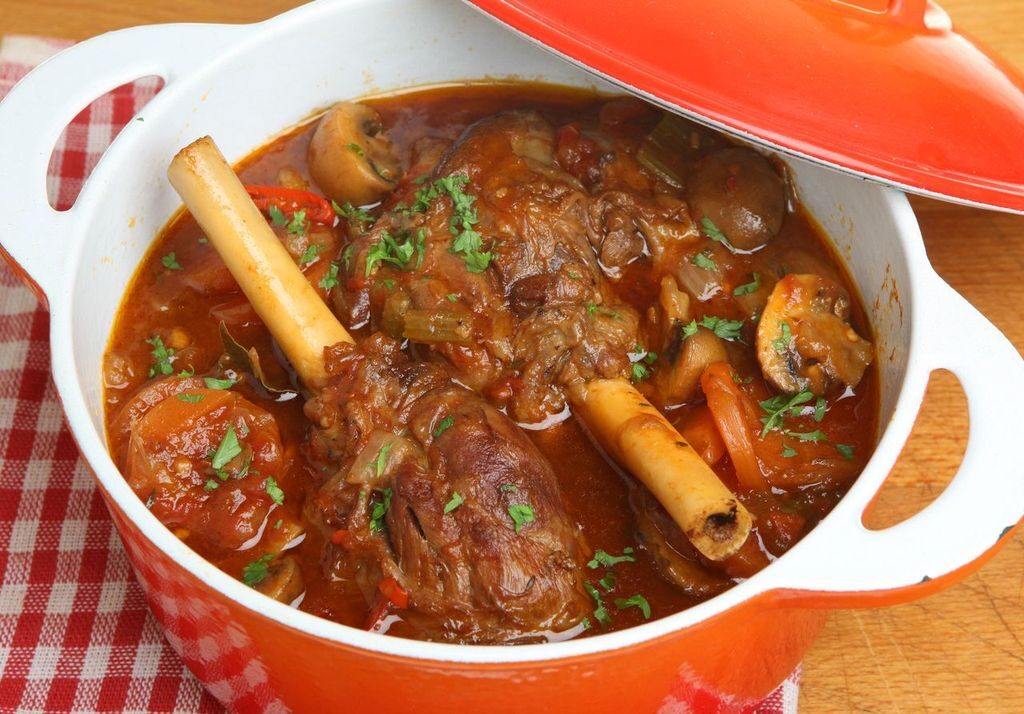
Recipe Spotlight: Slow-Braised Lamb Shanks
(Recipe adapted from americanlamb.com)
A classic example of how lamb develops flavor over extended cooking.
Why it works:
- Long braising time allows connective tissue to break down
- Broth, herbs, and aromatics build depth
- Meat becomes tender while absorbing surrounding flavors
This dish reflects how patience transforms both texture and taste.
Why Time Enhances Complexity
Unlike quick-cooking methods, slow cooking allows flavors to evolve in stages. Early ingredients set the base, while later additions refine the final result.
This progression creates:
- Multiple layers of flavor rather than a single note
- Greater depth and richness
- Balanced integration of all components
- A more complete and satisfying dish
Lamb supports each stage without losing its presence.
Spice Integration Over Time
In slow-build dishes, spices do more than season; they transform. Heat and time allow them to interact with both the meat and the cooking liquid.
This results in:
- Softer, more rounded spice profiles
- Elimination of sharp or overpowering notes
- Deeper infusion into the meat
- A unified flavor experience
Lamb’s composition allows it to carry these changes effectively.
Recipe Spotlight: Lamb Stew With Root Vegetables
(Recipe adapted from americanlamb.com)
A one-pot dish that demonstrates how ingredients evolve together.
Key elements:
- Slow simmering allows vegetables to release flavor
- Broth thickens and concentrates over time
- Lamb absorbs and enhances the overall profile
The result is a dish where no single element stands apart.
Why One-Pot Cooking Works So Well With Lamb
Layered flavor often comes from a simple structure. One-pot cooking allows all components to interact continuously.
Benefits include:
- Consistent flavor integration
- Reduced loss of moisture
- Efficient cooking process
- Easier control over seasoning and texture
Lamb thrives in this environment due to its adaptability.
Balancing Richness With Depth
Lamb’s richness must be balanced to prevent dishes from becoming heavy. Slow cooking allows for gradual adjustment.
This balance is achieved through:
- Adding acidity from tomatoes or citrus
- Incorporating herbs to lighten the profile
- Controlling fat through cooking technique
- Adjusting seasoning throughout the process
Balance ensures that depth does not become overwhelming.
Recipe Spotlight: Spiced Lamb Curry
(Recipe adapted from americanlamb.com)
A dish built entirely on layered flavor development.
Why it stands out:
- Spices are introduced in stages
- Slow cooking deepens complexity
- Lamb integrates fully into the sauce
- Final result is rich but balanced
This showcases how controlled layering creates depth.
Why Lamb Excels in Flavor-Building Cuisines
Many global cuisines rely on slow, layered cooking techniques, and lamb is often the preferred protein in these traditions.
This is because it:
- Absorbs complex spice blends effectively
- Maintains texture over long cooking periods
- Enhances rather than competes with other ingredients
- Delivers consistent results across different methods
Its adaptability makes it a natural fit for these approaches.
From Process to Outcome
Layered cooking is a process-driven approach. The final dish reflects how well each stage was executed.
With lamb, this means:
- Building a strong base before adding the meat
- Allowing enough time for integration
- Adjusting seasoning as flavors develop
- Finishing with balance and clarity
Each step contributes to the overall result.
Final Thoughts
Lamb’s ability to support slow, layered flavor development is rooted in its structure, fat content, and natural richness. It does not simply sit within a dish; it evolves with it, absorbing and enhancing every element over time.
For cooks looking to create depth without unnecessary complexity, lamb provides a reliable foundation. When given time and the right approach, it delivers dishes that are rich, balanced, and fully developed, making it one of the most effective proteins for slow-build cooking.