Category: Superior Farms

Why Lamb Handles Bold Flavors Better Than Most Proteins

Flavor intensity is often the dividing line between a remarkable meal and a memorable one, and Superior Farms lamb stands apart because it consistently holds up to bold spices, marinades, and layered seasoning in a way most proteins cannot, allowing cooks to build deeper, more complex dishes without losing the integrity of the meat itself. While milder proteins tend to fade or get overwhelmed, lamb absorbs, balances, and elevates strong flavors.

This is what makes it uniquely versatile across cuisines that rely on intensity rather than subtlety.

Why Lamb Responds Differently to Bold Flavoring

Not all proteins react the same way to seasoning. Chicken, for example, often acts as a neutral base, while beef can dominate with its richness. Lamb occupies a distinct middle ground.

Its ability to handle bold flavors is due to:

  • A naturally rich and slightly earthy profile
  • Balanced fat content that carries seasoning effectively
  • Muscle structure that absorbs marinades more deeply
  • Flavor complexity that complements spices rather than competing with them

Instead of masking lamb’s taste, bold seasoning tends to enhance it.

The Role of Fat in Flavor Absorption

Fat is one of the most important carriers of flavor, and lamb contains just enough to distribute spices evenly throughout the meat.

This process leads to:

  • Better integration of marinades during cooking
  • Enhanced aroma and depth
  • A more cohesive flavor profile across each bite
  • Greater tolerance for aggressive seasoning

This versatility is why lamb performs well in spice-forward cuisines.

Global Cuisines That Rely on Lamb’s Flavor Strength

Many culinary traditions naturally lean toward lamb because of how well it works with bold ingredients.

Examples include:

  • Mediterranean dishes with garlic, lemon, and herbs
  • Middle Eastern recipes using cumin, coriander, and paprika
  • South Asian preparations built on layered spice blends
  • North African dishes featuring slow-cooked, spice-rich stews

In each case, lamb acts as a foundation rather than a background ingredient.

How Marinades Interact With Lamb

Marinades behave differently depending on the protein. With lamb, they penetrate more effectively and create a deeper flavor impact.

Key marinade characteristics that work well with lamb:

  • Acidic elements like yogurt, lemon, or vinegar to tenderize
  • Spice blends that develop complexity over time
  • Oils that help distribute seasoning evenly
  • Aromatics such as garlic, ginger, and herbs

When given time, these components integrate fully into the meat.

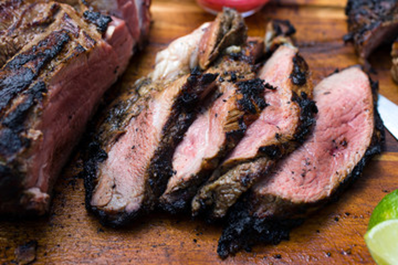
Recipe Spotlight: Garlic and Herb Grilled Lamb Chops

(Recipe adapted from americanlamb.com)

A simple but bold preparation highlights how lamb holds flavor without losing its character.

Why it works:

  • High-heat searing locks in flavor
  • Herbs and garlic complement the natural richness
  • Minimal ingredients still produce strong results

This type of dish shows that bold flavor does not require complexity.

Why Spice-Heavy Dishes Work Better With Lamb

Spice-heavy dishes can overwhelm lighter proteins. Lamb, however, maintains its presence even when heavily seasoned.

This results in:

  • Balanced dishes where no single element dominates
  • Depth of flavor rather than surface-level seasoning
  • A richer, more satisfying eating experience
  • Better compatibility with slow-cooked preparations

The result is layered flavor rather than diluted taste.

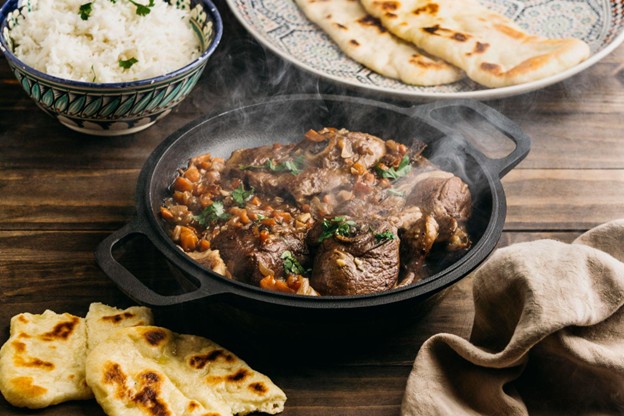
Recipe Spotlight: Moroccan-Spiced Lamb Stew

(Recipe adapted from americanlamb.com)

Slow cooking allows spices to fully develop while the lamb absorbs and complements them.

Key elements:

  • Warm spices like cinnamon, cumin, and turmeric
  • Long cooking time for depth
  • Tender texture paired with bold seasoning

This recipe demonstrates how lamb supports extended flavor development.

The Advantage of High-Heat Cooking

Lamb performs exceptionally well under high heat, which helps intensify both the meat and the seasoning.

High-heat benefits include:

  • Caramelization of the exterior
  • Concentration of flavors
  • Enhanced texture contrast
  • Faster cooking without sacrificing depth

This makes lamb ideal for grilling and searing.

Recipe Spotlight: Spiced Lamb Kebabs

(Recipe adapted from americanlamb.com)

Kebabs showcase how lamb holds up to aggressive seasoning and direct heat.

Why this works:

  • Ground or cubed lamb absorbs spices evenly
  • Quick cooking preserves moisture
  • Bold seasoning remains prominent after grilling

It is a clear example of flavor-forward cooking done right.

Balancing Boldness Without Overcomplicating

One of the strengths of lamb is that it does not require excessive ingredients to create impact. Even simple combinations can produce strong results.

Effective approaches include:

  • Pairing lamb with just a few high-quality spices
  • Using marinades that enhance rather than mask
  • Allowing the natural flavor to remain central
  • Avoiding unnecessary complexity

This balance is what makes lamb adaptable to different skill levels.

Why Lamb Elevates Everyday Cooking

Bold flavor is often associated with special occasions, but lamb brings that intensity into everyday meals without requiring complicated preparation.

This makes it suitable for:

  • Quick grilled dishes with strong seasoning
  • Simple pan-seared meals with herb blends
  • One-pot recipes with layered spices
  • Casual meals that still feel elevated

It combines convenience with depth.

Final Thoughts

Lamb’s ability to handle bold flavors is not accidental; it is rooted in its composition, structure, and natural profile. Unlike proteins that either fade or overpower, lamb integrates seasoning in a way that creates balance and depth.

By understanding how it interacts with spices, marinades, and cooking methods, it becomes clear why lamb remains a staple in some of the most flavor-rich cuisines in the world. Whether grilled, roasted, or slow-cooked, it consistently delivers dishes that are both bold and cohesive.
Why Simple Seasoning Often Works Better Than Complex Recipes for Lamb

Clarity of flavor is often lost when too many elements compete, and Superior Farms lamb performs best when seasoning is kept direct and controlled, allowing its natural richness to lead rather than forcing complexity through excessive ingredients. The goal is not to build flavor from scratch, but to support what is already present.

Lambs do not need to be constructed; they need to be framed.

Why Complexity Can Work Against Flavor

In many recipes, complexity is treated as a shortcut to depth. More spices, more steps, and more layers are assumed to produce better results. With lamb, this approach often has the opposite effect.

Overcomplication can lead to the following:

  • Competing flavors that dilute the overall profile
  • Loss of the meat’s natural character
  • Muddy or indistinct taste
  • Unnecessary preparation without meaningful improvement

When too many variables are introduced, clarity disappears.

What Makes Lamb Naturally Flavor-Forward

Lamb already carries a distinct profile that does not require heavy modification. Its composition allows it to stand on its own with minimal intervention.

This comes from:

  • A naturally rich and slightly earthy taste
  • Balanced fat content that enhances flavor
  • A structure that responds well to direct heat
  • Depth that develops even with simple preparation

Because of this, seasoning should support, not replace.

The Role of Salt as a Primary Tool

Salt is often underestimated, but with lamb, it becomes one of the most important elements.

When applied correctly, it:

  • Enhances natural flavor without masking it
  • Draws out moisture to improve surface texture
  • Supports the development of a proper crust
  • Balances richness without adding complexity

Often, salt alone can define the dish.

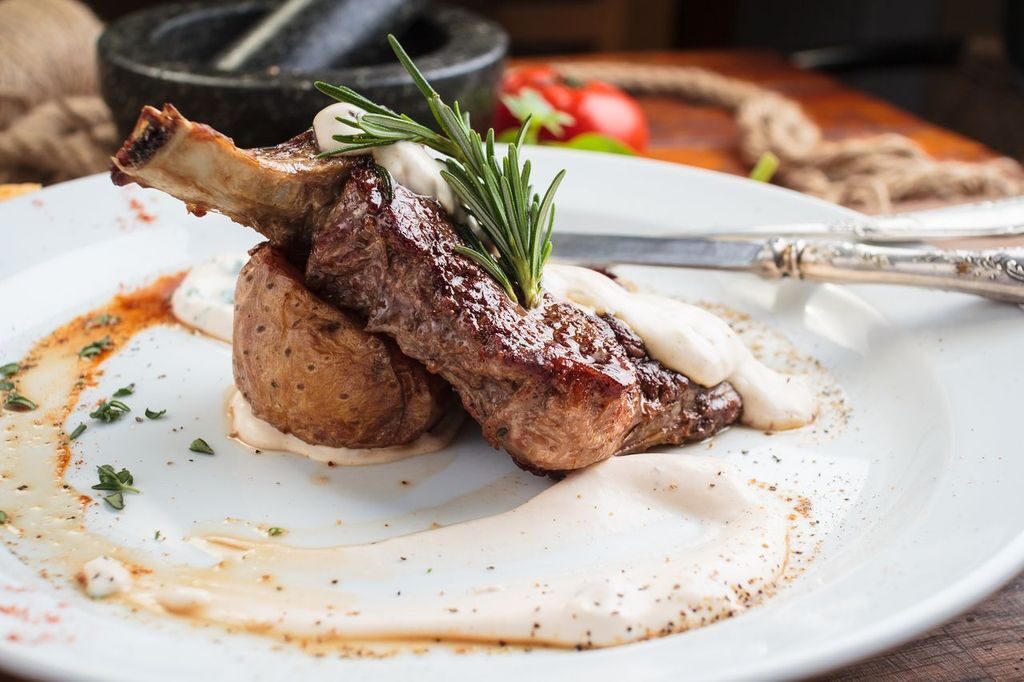
Recipe Spotlight: Grilled Lamb Chops With Salt, Pepper, and Olive Oil

(recipe from americanlamb.com)

A minimal approach that highlights lamb’s natural qualities.

Why it works:

  • Limited ingredients keep the flavor focused
  • High heat creates contrast between crust and interior
  • No competing elements to dilute the taste

This dish is a clear example of restraint producing better results.

Why Fewer Ingredients Create Stronger Outcomes

Using fewer ingredients forces precision. Each element has a purpose and contributes directly to the final result.

This leads to:

  • Clearer flavor definition
  • Better control over seasoning
  • More consistent results
  • Reduced risk of imbalance

Simplicity improves execution.

How Heat Replaces Complexity

Proper heat application can do more for flavor than additional ingredients. Searing, grilling, or roasting creates depth through technique rather than layering.

Heat contributes by:

  • Creating caramelization on the surface
  • Concentrating natural juices
  • Enhancing aroma
  • Building texture contrast

These effects often replace the need for complex seasoning.

Recipe Spotlight: Roasted Lamb With Garlic and Herbs

(recipe from americanlamb.com)

A simple preparation that relies on technique.

Key strengths:

  • Minimal ingredients with clear roles
  • Roasting develops flavor without added complexity
  • Garlic and herbs enhance rather than dominate

It demonstrates how structure and timing can define the dish.

Why Over-Seasoning Masks Quality

When seasoning becomes excessive, it shifts attention away from the main ingredient. This is particularly noticeable with lamb.

Over-seasoning can:

  • Hide the natural flavor of the meat
  • Create an imbalance between ingredients
  • Make dishes feel heavy or overwhelming
  • Reduce the ability to distinguish individual elements

The result is less refined, not more complex.

The Value of Ingredient Restraint

Restraint is not limitation; it is control. Knowing when to stop adding ingredients is as important as knowing what to include.

Effective restraint involves:

  • Selecting a small number of complementary flavors
  • Allowing each element to remain identifiable
  • Avoiding unnecessary additions
  • Focusing on execution rather than expansion

This approach leads to more precise outcomes.

Recipe Spotlight: Pan-Seared Lamb With Lemon and Thyme

(recipe from americanlamb.com)

A balanced dish built on simplicity.

Why it stands out:

  • Bright acidity contrasts with richness
  • Herbs add subtle depth without overpowering
  • Quick cooking preserves natural flavor

It shows how minimal additions can create complete dishes.

Why Simplicity Improves Consistency

Complex recipes introduce more variables, increasing the likelihood of inconsistency. Simpler methods reduce that risk.

Benefits include:

  • Easier replication of results
  • Greater control over timing and temperature
  • Reduced margin for error
  • More predictable flavor outcomes

Consistency becomes easier to achieve.

Reframing What “Better” Means in Cooking

Better does not always mean more detailed or more elaborate. With lamb, “better” often means more controlled and more intentional.

This includes:

  • Prioritizing the quality of ingredients
  • Using a technique to build flavor
  • Limiting unnecessary steps
  • Allowing the protein to remain central

This shift changes how dishes are approached.

From Complexity to Precision

The difference between complex and effective cooking is precision. Lamb rewards precision because its natural qualities are already well-defined.

Precision involves:

  • Applying the right amount of seasoning
  • Using appropriate heat levels
  • Timing the cooking process carefully
  • Avoiding unnecessary adjustments

Each decision has a clear impact.

Final Thoughts

Lamb does not require heavy seasoning or complex recipes to deliver strong results. Its natural flavor profile provides a solid foundation that benefits more from restraint than from excess.

By focusing on simple seasoning, controlled technique, and clear intent, lamb can achieve depth without complication. Often, reducing ingredients leads to a more defined, balanced, and effective dish, making simplicity not a limitation but an advantage.

What Makes Lamb Ideal for Layered, Slow-Build Flavor Dishes

Depth of flavor is not created instantly; it develops over time, and Superior Farms lamb stands out because its structure, fat composition, and natural richness make it uniquely suited for layered, slow-build flavor dishes where ingredients evolve together rather than sit on the surface. While some proteins lose identity during long cooking processes, lamb integrates into them, becoming more complex without fading.

This is why it plays a central role in cuisines built around gradual flavor development.

Why Slow Cooking Changes Flavor Dynamics

Slow cooking is not just about tenderness; it is about transformation. As heat is applied over time, ingredients interact, break down, and combine.

This process allows:

  • Spices to release and deepen
  • Aromatics to integrate fully into the dish
  • Liquids to concentrate and thicken
  • Proteins to absorb surrounding flavors

Lamb responds particularly well to this process because it retains its character while evolving.

The Structural Advantage of Lamb

Not all meats are suited for extended cooking. Lamb’s muscle structure and connective tissue allow it to break down gradually without becoming dry or bland.

This leads to:

  • Tender texture that develops naturally over time
  • Retention of moisture during long cooking
  • Absorption of surrounding flavors
  • A balance between richness and depth

This structural quality is essential for slow-build dishes.

How Fat Contributes to Layered Flavor

Fat plays a critical role in flavor development, and lamb contains enough to enhance without overwhelming.

As it renders during cooking, it:

  • Distributes flavor evenly throughout the dish
  • Carries spices and aromatics deeper into the meat
  • Adds body and richness to sauces and broths
  • Creates a cohesive flavor profile

This gradual release is what gives slow-cooked lamb its signature depth.

The Role of Aromatics and Base Ingredients

Layered dishes rely on building a foundation before the main protein is fully integrated. Lamb complements this process rather than competing with it.

Typical base components include the following:

  • Onions, garlic, and ginger for foundational depth
  • Tomatoes or broths for structure and acidity
  • Herbs and spices that develop over time
  • Oils that help bind flavors together

Lamb absorbs these elements while contributing its own richness.

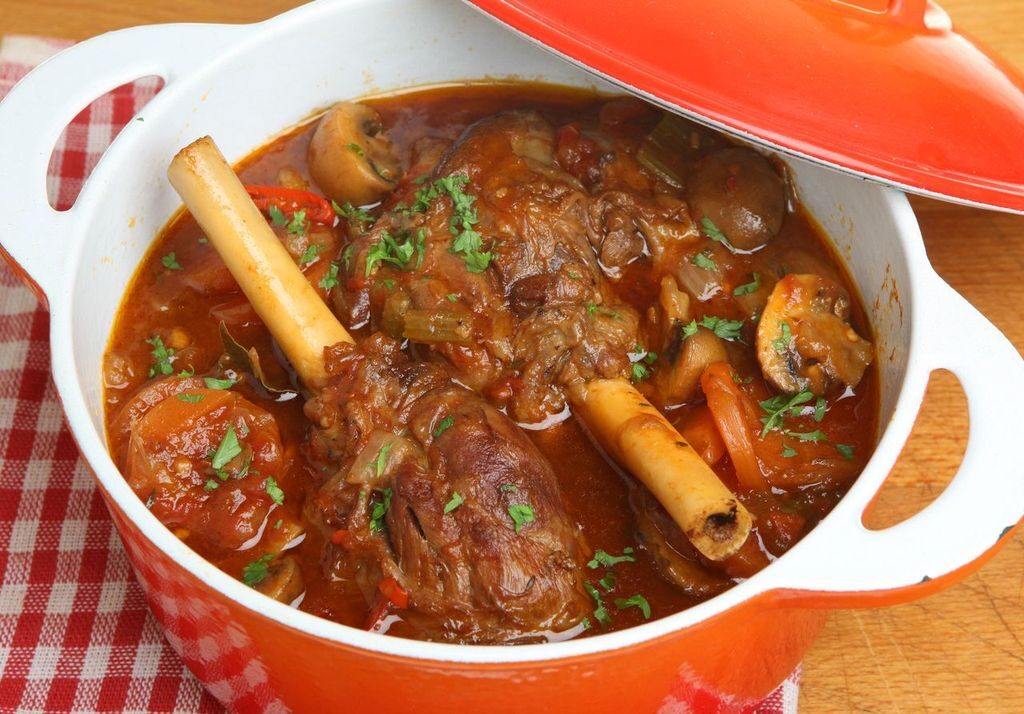
Recipe Spotlight: Slow-Braised Lamb Shanks

(Recipe adapted from americanlamb.com)

A classic example of how lamb develops flavor over extended cooking.

Why it works:

  • Long braising time allows connective tissue to break down
  • Broth, herbs, and aromatics build depth
  • Meat becomes tender while absorbing surrounding flavors

This dish reflects how patience transforms both texture and taste.

Why Time Enhances Complexity

Unlike quick-cooking methods, slow cooking allows flavors to evolve in stages. Early ingredients set the base, while later additions refine the final result.

This progression creates:

  • Multiple layers of flavor rather than a single note
  • Greater depth and richness
  • Balanced integration of all components
  • A more complete and satisfying dish

Lamb supports each stage without losing its presence.

Spice Integration Over Time

In slow-build dishes, spices do more than season; they transform. Heat and time allow them to interact with both the meat and the cooking liquid.

This results in:

  • Softer, more rounded spice profiles
  • Elimination of sharp or overpowering notes
  • Deeper infusion into the meat
  • A unified flavor experience

Lamb’s composition allows it to carry these changes effectively.

Recipe Spotlight: Lamb Stew With Root Vegetables

(Recipe adapted from americanlamb.com)

A one-pot dish that demonstrates how ingredients evolve together.

Key elements:

  • Slow simmering allows vegetables to release flavor
  • Broth thickens and concentrates over time
  • Lamb absorbs and enhances the overall profile

The result is a dish where no single element stands apart.

Why One-Pot Cooking Works So Well With Lamb

Layered flavor often comes from a simple structure. One-pot cooking allows all components to interact continuously.

Benefits include:

  • Consistent flavor integration
  • Reduced loss of moisture
  • Efficient cooking process
  • Easier control over seasoning and texture

Lamb thrives in this environment due to its adaptability.

Balancing Richness With Depth

Lamb’s richness must be balanced to prevent dishes from becoming heavy. Slow cooking allows for gradual adjustment.

This balance is achieved through:

  • Adding acidity from tomatoes or citrus
  • Incorporating herbs to lighten the profile
  • Controlling fat through cooking technique
  • Adjusting seasoning throughout the process

Balance ensures that depth does not become overwhelming.

Recipe Spotlight: Spiced Lamb Curry

(Recipe adapted from americanlamb.com)

A dish built entirely on layered flavor development.

Why it stands out:

  • Spices are introduced in stages
  • Slow cooking deepens complexity
  • Lamb integrates fully into the sauce
  • Final result is rich but balanced

This showcases how controlled layering creates depth.

Why Lamb Excels in Flavor-Building Cuisines

Many global cuisines rely on slow, layered cooking techniques, and lamb is often the preferred protein in these traditions.

This is because it:

  • Absorbs complex spice blends effectively
  • Maintains texture over long cooking periods
  • Enhances rather than competes with other ingredients
  • Delivers consistent results across different methods

Its adaptability makes it a natural fit for these approaches.

From Process to Outcome

Layered cooking is a process-driven approach. The final dish reflects how well each stage was executed.

With lamb, this means:

  • Building a strong base before adding the meat
  • Allowing enough time for integration
  • Adjusting seasoning as flavors develop
  • Finishing with balance and clarity

Each step contributes to the overall result.

Final Thoughts

Lamb’s ability to support slow, layered flavor development is rooted in its structure, fat content, and natural richness. It does not simply sit within a dish; it evolves with it, absorbing and enhancing every element over time.

For cooks looking to create depth without unnecessary complexity, lamb provides a reliable foundation. When given time and the right approach, it delivers dishes that are rich, balanced, and fully developed, making it one of the most effective proteins for slow-build cooking.

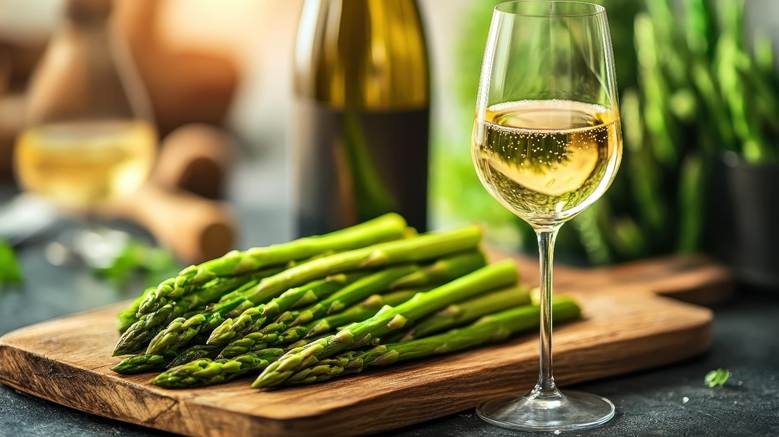
Lamb and Spring Wine Pairings: What to Serve and Why

As the air warms and flowers bloom, our palates begin to crave lighter, fresher fare. Spring is the perfect season to feature lamb—tender, flavorful, and versatile—paired with vibrant wines that bring out the best in every bite. Whether you’re planning a casual al fresco meal or an elegant spring dinner, pairing lamb with the right wine can elevate your dining experience to a new level of delight.

Superior Farms will explore the art of pairing spring lamb dishes with wine, offering specific suggestions such as a crisp Sauvignon Blanc with a warm lamb salad or a rosé with grilled skewers. We’ll also highlight two delicious seasonal recipes: Warm Kale Salad with Quinoa and Spiced Lamb, and Sheet Pan Lamb and Gnocchi. Let’s dive into why these pairings work and how you can recreate them at home.

Why Lamb Shines in Spring

Lamb has long been associated with springtime cuisine. Traditionally, it marks the celebration of Easter and the transition to lighter meats after a winter of hearty stews and roasts. Spring lamb is especially prized for its tender texture and mild flavor, making it ideal for a range of preparations—from quick grills to slow roasts.

In spring recipes, lamb is often paired with fresh herbs (like mint or oregano), citrus (lemon zest, juice), leafy greens, and Mediterranean spices. These flavors call for wines that are equally bright, aromatic, and fresh to create balance and harmony.

Principles of Lamb and Wine Pairing

The key to pairing wine with lamb lies in understanding its richness and the spices or marinades used in the dish. Generally speaking:

  • Red wines work well with lamb’s earthy richness.
  • Rosé complements grilled preparations and herbaceous seasonings.
  • White wines like Sauvignon Blanc can shine alongside lamb in salads or dishes with tangy vinaigrettes.
  • Sparkling wines offer a palate-cleansing contrast to fatty or intensely seasoned lamb.

Pairing #1: Sauvignon Blanc with Warm Kale Salad and Spiced Lamb

Recipe Highlight: Warm Kale Salad with Quinoa and Spiced Lamb

This hearty spring salad recipe from Homemade features thinly sliced American lamb marinated with soy sauce, balsamic vinegar, cumin, and cinnamon, then seared and layered over kale, quinoa, toasted almonds, dates, and shaved pecorino. A roasted red pepper dressing with red wine vinegar and lemon brings zest and brightness.

Why it Works:

A Sauvignon Blanc, especially from New Zealand or the Loire Valley, is a stellar companion to this salad. Its citrus-driven profile—with notes of lemon, lime, and green herbs—mirrors the freshness of the kale and the lemony dressing. The wine’s acidity cuts through the richness of the lamb and cheese, while its herbal undertones enhance the cumin and minty notes.

Tip: Look for a bottle labeled “Sancerre” (from France) for a more mineral-driven style, or try a Marlborough Sauvignon Blanc for more pronounced tropical fruit notes.

Pairing #2: Rosé with Grilled Lamb Skewers or Roasted Gnocchi Dishes

Recipe Highlight: Sheet Pan Lamb and Gnocchi

This convenient sheet pan dinner from Homemade brings together American lamb shoulder chunks, potato gnocchi, broccoli, and kale, all roasted to golden perfection with garlic, paprika, and oregano. It’s topped with a bright, garlicky feta-mint yogurt sauce and served with a lemony arugula salad.

Why it Works:

A dry rosé—particularly one from Provence or California—makes an outstanding pairing. Rosé has enough structure to stand up to the roasted, seasoned lamb and gnocchi, but its crispness and light berry flavors bring lift and freshness. The acidity in the wine complements the tangy feta sauce and lemony greens, while its subtle red fruit notes contrast beautifully with the smoky paprika and roasted vegetables.

Tip: Choose a rosé with a pale salmon color and moderate alcohol (under 13%). These styles tend to be drier and more food-friendly.

Bonus Pairings: A Few More Matches for Spring Lamb

  • Grilled Lamb Chops + Syrah/Shiraz: A classic pairing, especially when lamb is grilled or charred. The wine’s peppery spice and dark fruit complement the lamb’s smoky flavors.
  • Lamb Meatballs + Grenache or GSM blends: These wines are juicy and vibrant, perfect for herby or tomato-based lamb dishes.
  • Lamb Tacos with Yogurt Sauce + Albariño or Grüner Veltliner: These white wines are zesty and aromatic, ideal for dishes with creamy or tangy sauces.

Tips for Hosting a Spring Lamb and Wine Night

If you’re planning a spring dinner party or casual get-together, consider the following:

  1. Start light: Open with lamb skewers or lamb salad and a chilled glass of Sauvignon Blanc or rosé.
  2. Create contrast: Offer a second wine like a medium-bodied red (e.g., Grenache) alongside a richer lamb dish.
  3. Don’t forget the sides: Spring vegetables like asparagus, peas, or artichokes can influence the wine choice. Crisp whites often pair better with these than heavy reds.
  4. Chill your reds slightly: Especially in warm weather, serving red wine slightly cooler than room temperature (around 55–60°F) enhances freshness.

A Celebration of Flavor and Seasonality

Lamb, with its tender texture and savory depth, is a natural fit for spring menus. When paired thoughtfully with seasonal wines—like a crisp Sauvignon Blanc or a refreshing rosé—it can create a symphony of flavor that’s both elevated and approachable.

Whether you’re tossing together a warm kale salad or roasting a tray of gnocchi and lamb chunks, these pairings allow the ingredients to shine without overwhelming the senses. So the next time spring rolls around and lamb is on the table, reach for a bottle that highlights the season’s best—and toast to fresh flavors and good company.

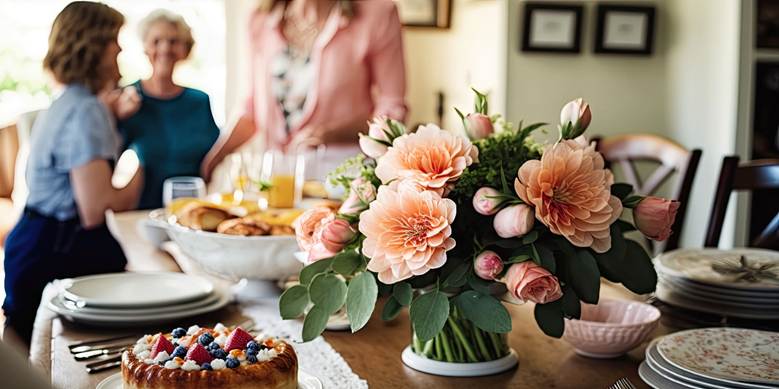
Elevating Mother’s Day Brunch Featuring Lamb: A Celebration of Flavor and Elegance

Mother’s Day is a time to honor the women who have nurtured, supported, and loved us unconditionally. It’s an opportunity to show appreciation with thoughtful gestures—and what better way to celebrate than by gathering around a beautiful brunch table? While pancakes and mimosas have their place, there’s something distinctly elegant and memorable about serving a show-stopping dish that elevates the entire experience. Turn your Mother’s Day brunch into a culinary celebration by featuring a centerpiece of lamb—specifically, a roast boneless leg of American lamb enhanced with bright, zesty citrus salsa.

Superior Farms will explore why lamb is a perfect fit for Mother’s Day, the benefits of choosing American lamb, and walk through a detailed, brunch-worthy recipe that will delight every guest at the table.

Why Choose Lamb for Mother’s Day Brunch?

When it comes to brunch, most people think of lighter fare—pastries, egg bakes, and maybe a smoked salmon platter. But serving lamb adds a touch of refinement and warmth to the occasion. Lamb is not only tender and rich in flavor, but it also complements a wide variety of seasonal accompaniments, particularly fresh spring produce and vibrant citrus.

Moreover, lamb feels luxurious without being overly fussy. It bridges the gap between breakfast and dinner, satisfying guests with something hearty yet nuanced. For a celebration as important as Mother’s Day, this balance is key—offering a meal that’s both comforting and impressive.

The Importance of Choosing American Lamb

When preparing a special meal for loved ones, ingredient quality matters. That’s why choosing American lamb is an essential step in delivering not only flavor but also ethical and sustainable values to your table.

American lamb is raised with care by family farmers and ranchers across the United States. It’s known for its rich, full-bodied flavor and excellent marbling. Buying domestic products directly supports local agriculture while ensuring that your meat is fresh, traceable, and sustainably sourced.

Opting for American lamb over imported varieties also often means a shorter time from farm to table, which translates to better flavor, texture, and nutritional quality. For a meal that’s meant to show love, these considerations make all the difference.

A Mother’s Day Centerpiece: Roast Boneless Leg of American Lamb with Citrus Salsa

To truly impress this Mother’s Day, consider making the Roast Boneless Leg of American Lamb with Citrus Salsa, inspired by the talented team behind “Two Purple Figs.” This recipe strikes the perfect balance between savory richness and zesty brightness, making it ideal for a springtime brunch that’s as uplifting as it is satisfying.

Ingredients Overview

For the Lamb:

  • 6-pound boneless leg of American lamb
  • 1 tablespoon coarse salt and pepper (or to taste)

Aromatic Mixture:

  • 2 tablespoons unsalted butter
  • 1 onion, finely diced
  • 6 cloves garlic, minced
  • 1 tablespoon black olive paste
  • 3 tablespoons rosemary, minced
  • 1 tablespoon grainy mustard
  • Zest of 1 lemon and 1 orange
  • 1 tablespoon paprika
  • 1 teaspoon chili flakes
  • 1 tablespoon garlic powder

For the Citrus Salsa:

  • 1 grapefruit, segmented
  • 1 blood orange, segmented
  • 1 orange, segmented
  • 1–2 clementines, segmented
  • 1 lemon, segmented
  • Juice of 1 lime
  • ½ red onion, finely diced
  • 1 jalapeño, minced
  • ¼ cup cilantro, minced
  • 1 teaspoon salt

Preparation & Cooking: Step-by-Step Brilliance

1. Season the Lamb:

Generously coat the lamb with salt and pepper, pressing the seasoning into the surface. Let the flavors begin to permeate while you prepare the aromatics.

2. Prepare the Aromatic Mixture:

Sauté the diced onion in butter over medium-high heat for about seven minutes until golden, sweet, and caramelized. Add garlic and cook for another minute. Off the heat, stir in the remaining aromatic ingredients, blending into a thick, fragrant paste.

3. Marinate and Tie:

Allow the aromatic mixture to cool, then spread it evenly over the lamb. Tie the lamb securely using kitchen twine to ensure even cooking. Let the lamb rest for 10 minutes at room temperature—or better yet, refrigerate it overnight for deeper flavor infusion.

4. Roast Low and Slow:

Preheat your oven to 275°F. Set up a roasting rack over a foil-lined tray. Roast the lamb for 2 to 2.5 hours until the internal temperature reaches at least 135°F (medium-rare to medium). This slow roast yields melt-in-your-mouth tenderness.

5. Sear for Perfection:

Remove the twine and increase the oven temperature to 500°F. Return the lamb to the oven for 10–15 minutes to develop a crispy, golden crust. Rest the meat under foil for at least 10 minutes before slicing.

6. Create the Citrus Salsa:

While the lamb rests, toss all salsa ingredients together in a bowl. The brightness of the citrus combined with the heat of jalapeño and depth of red onion makes this an unforgettable topping that cuts through the richness of the lamb.

7. Serve and Celebrate:

Slice the lamb into thick, tender cuts and spoon generous portions of citrus salsa over the top. The combination of textures and flavors will leave guests savoring every bite.

Accompaniments and Pairings

To round out the brunch, consider these pairings:

  • Herbed new potatoes or a spring vegetable medley like asparagus, peas, and carrots
  • Crispy sourdough toasts with whipped goat cheese
  • A light salad with arugula, fennel, and lemon vinaigrette
  • Fresh berry mimosas or a lavender lemonade mocktail

These additions complement the lamb’s flavor and align with the fresh, seasonal theme of spring.

Make It Memorable

Mother’s Day deserves to be a special, unforgettable celebration—and nothing conveys thoughtfulness like a home-cooked meal made with care and intention. By choosing lamb as the centerpiece and infusing it with aromatic herbs and bright citrus notes, you’re not only creating a delicious experience but also honoring the elegance, strength, and warmth of the mothers in your life.

Whether it’s a table set for two or a full family affair, this elevated brunch menu is bound to become a treasured tradition. So tie on your apron, turn up some music, and make Mother’s Day magical with the unforgettable flavor of lamb.

The History of Raising Lamb for Food

Lamb is not only a popular meat in the United States but still well-loved throughout the world. For millennia, humans have raised lamb to be eaten as food and, although the process has changed since then, Superior Farms reports that you can still find trace similarities to the ancient practices.

Superior Farms

Let’s explore how sheep were first domesticated for food and how the practice of raising lamb for meat has changed in recent years. Thanks to better technologies and a focus on animal welfare, the lamb industry has become sustainable and more reliable.

The Origins of Raising Lamb for Food

Lamb has been raised for food for millennia. In fact, it is one of the oldest domesticated animals in the world. Sheep were first domesticated in the Fertile Crescent of the Middle East over 10,000 years ago and, from there, spread to Europe, Asia, and Africa. Lamb continued to play an important part in many ancient diets and, even in the Bible, lambs were sacrificed for religious purposes.

Although it’s difficult to say exactly how early man domesticated sheep, it’s believed that the first lamb came from Central Asian wild sheep. Over several generations, herders were able to slowly turn the animal into a simple domesticated farm animal.

How Lamb Rearing Has Changed Over the Years

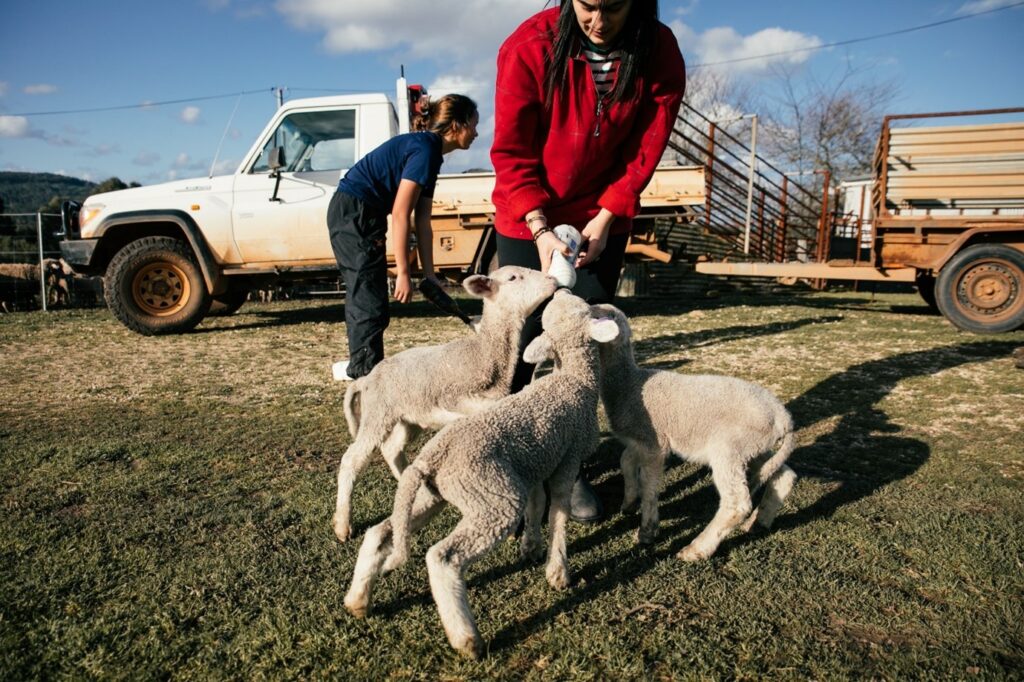
Originally, sheep were bred and herded in small flocks by a shepherd and his dog. If they wanted to raise lamb for food, the shepherd would allow a few of the sheep to breed and have lambs each year. They would then care for the lambs until they were old enough to be sold or harvested for meat.

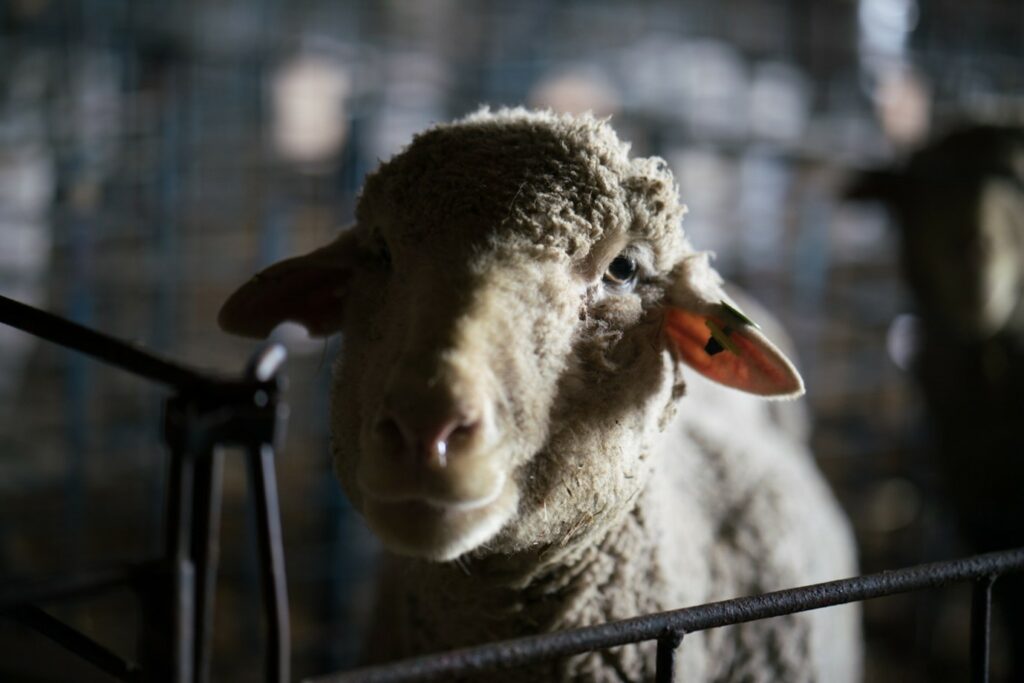
As decades passed, farmers and manufacturers alike began to prioritize better care for the flock and the land they graze. Sheep producers realized that if they help take care of the environment, it’ll take care of them. And now, with the advantages of genetic testing and electronic identification tags, these producers can monitor the specific traits in each animal in order to improve the overall health of their flocks.

Superior Farms

Sustainable Farming Today

Superior Farms has partnered with sheep producers from six different states to create a new technologically advanced project, The Sheep Discovery Center: one of the country’s most sustainable agriculture centers. This state-of-the-art Center in Utah, creates a method of lamb production that prioritizes animal health and wellbeing, reduced environmental footprint and blockchain technology, to discover the full potential of each sheep by meeting their needs at every phase in the animals’ lives. The Sheep Discovery Center also implements cutting-edge technologies and production practices, including advanced sustainability methods, seasonal lighting, optimized nutrition, and efficient flock viability.

Why Lamb is a Superior Choice

Superior Farms

While lamb is typically thought of as a protein for holidays or special occasions, Superior Farms offers a range of premium cuts that make it easy to have lamb for a change. Lamb is the oldest known domesticated meat species, entering the human diet about 9,000 years ago in the Middle East. Now, it is often seen featured in Mediterranean and American Diets. There are many good reasons as to why you should incorporate more lamb into your diet.

Incredibly Versatile

• There are five basic major, or primal, cuts of lamb that you’re most likely to find at the grocery store: shoulder, rack, shank/breast, loin, leg. People enjoy lamb in many different ways with recipes ranging from feta stuffed lamb meatballs to seeing lamb on pizza. Lamb could even be featured in your morning frittata.

High in Protein

• One 3-ounce serving of lamb has 23 grams of protein, almost half of the recommended daily intake for adults. A diet high in protein is ideal for athletes, people seeking to lose weight, and people recovering from surgery or injury. Because of the high levels of protein, the regular consumption of lamb may promote muscle growth, maintenance, and performance.

Has Anti-Inflammatory Benefits

• Lamb is also high in conjugated linoleic acid (CLA), a natural acid that has been shown to reduce body fat mass. CLA is essentially a group of chemicals found in fatty acid called linoleic acid. In moderate amounts, it might be helpful for weight loss or management. CLA has proven to aid in fat loss, improve lean muscle mass, and be a potential cancer fighter.

Packed with Vitamins

• Lamb contains important vitamins and minerals that are essential for maintaining a healthy and balanced diet. These vitamins and minerals include, but are not limited to, iron, vitamin b12, selenium, niacin, phosphorous, and zinc. These are all important nutrients for vital body function, including immune support, cholesterol management, and bone health.

Raised with Respect

• Superior Farms has a long-standing commitment to the well-being and care of the flock. Lambs are set to pasture across vast grasslands, sustaining on the natural vegetation as they have for centuries. How a flock is raised is so important,: good things come from putting the flock first.

Superior Farms is an employee-owned company and the leading purveyor of farm-to-table American lamb. Proudly providing the highest quality natural lamb for a variety of recipes from weeknight dinners to Sunday brunch, lunches and more. Choosing Superior Farms means choosing quality.

Eat Superior Farms’ Lamb with a Good Conscience

Superior Farms lamb served for dinner

Grocery stores and restaurants have relied on Superior Farms to be the leading purveyor of farm-to-table American lamb in the United States for decades. Lamb is a versatile and lean red meat that is popular is many different types of cuisines. There are many different reasons to incorporate lamb into your diet. Often times, red meat receives a bad rep for its impact on the environment. There are many good reasons to choose Superior Farms as your lamb provider.

 Focus on Sustainability

  • Superior Farms’ commitment to sustainability and clean energy is one of the leading reasons you should use them for your provider of lamb. Superior Farms understands the environmental impact that the agriculture industry has on the planet. Superior Farms looks to do their part through the inclusion of solar panels and a wind turbine at their California facility that offsets more than 90% of the plant’s total energy use. In addition to its wind and solar clean energy initiatives, Superior Farms’ sustainability efforts have resulted in a reduced use of water by 33% at its Dixon facility, a reduced use of diesel fuel since 2015 by more over 140,000 gallons per year, and a reduced use of plastics by a third by transitioning its case ready packaging to a vacuum skin package.

Respect for the Flock

  • How the flock is raised is so important. When it comes to respecting the flock, Superior Farms is sure to take outstanding care of their lambs. Superior Farms believes all lamb should be able to feed on natural vegetation as they have for all prior centuries which is why Superior Farms partners with small family farms. A flock first mentality is all about respect. When you have respect for the animals, it makes all the difference in the world.

Explanation of Health Benefits from Lamb

  • Lamb is not only remarkably high in protein but is also extraordinarily nutrient rich with a wide variety of other vitamins and minerals. Lamb is a relatively lean and nutrition-packed meat. A three-ounce cut of cooked lamb delivers about 25 grams of protein, plus good quantities of potassium and vitamin B-12. It’s also a good source of iron, magnesium, selenium, and omega-3 fatty acids.

Having respect for a nutrient rich land, being able to maintain a sustainable footprint, and working with dedicated family farmers who raise their flocks with the highest level of care, are all core values that make Superior Farms the leader in American lamb.

These are Some of the Best Spices for Grilled Lamb

Superior Farms lamb on a table

With grilling season underway, Superior Farms knows that home cooks all over the country are enjoying the opportunity to bring new flavors to their barbecues. American lamb is a great choice for any home cook that wants to experience a protein that is different from the usual chicken or beef but delicious, nonetheless. Superior Farms realizes that many home cooks that are new to lamb may not know some of the spices that pair well with a grilled cut and, here, provides a short list of some of the best spices to pack tons of flavor into your grilled lamb.

Cumin

Cumin provides an earthy bitterness that pairs exceptionally well with the flavors of lamb. Cumin can be used either ground or whole to form a crust on your lamb as it grills. While the flavors of cumin raw can be a bit brash, its flavors begin to mellow out in high heat to create a grassier and more vibrant flavor as the meat cooks. Cumin is also a great choice because its bitterness goes well with the light char that you can achieve with grilling, and the spice infuses flavor into the fat of lamb as it melts with no extra effort on your part.

Harissa

Harissa is a North African chili paste that contains ingredients such as roasted peppers, garlic paste, coriander seeds, caraway seeds, cumin, and olive oil. Harissa is growing more popular in American cooking because it provides standout flavors to proteins such as lamb. Adding some harissa to your lamb marinade before grilling imparts a spicy, smoky flavor profile that pairs well with the char from the grill. Harissa also gives a fresh flavor to grilled lamb- but be careful not to include too much into your marinade if you are sensitive to spicier additions.

Rosemary

Rosemary is considered a common spice for lamb, whether it be grilled, pan seared, baked, or stewed. The herbaceous and woodsy flavor that rosemary imparts onto lamb is unlike any other spice, and rosemary also combines well with other common additions to spice rubs and marinades such as garlic and citrus. Rosemary can be added chopped or whole to grilled lamb, but always be sure to avoid exposing it to too much direct heat or it may alter its flavor.

Curry Powder

Curry powder is a great addition for grilled lamb because it includes spices that capture all the most important flavors to pair with it. The spices used to create curry powder can vary, but many will include a mix of cumin, turmeric, fenugreek, and others that are commonly included in Indian cuisine. There are also many different varieties of curry powder available such as Jamaican curry powder and vadouvan- a French variation. If you are interested in using curry powder for grilling lamb, consider making your own mix that takes your palate into account.

Superior Farms Discusses Selecting the Right Cut of Lamb

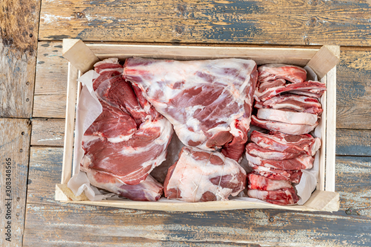
Superior Farm notes that 2021 marked an increase in lamb popularity in the US for a variety of reasons. Not only were American families more willing to try the protein as they experimented with home cooking – but they were also impressed with the variety of cuts and flavors that American lamb offers. Superior Farms recognizes that many people that have just started cooking lamb may not be aware of the differences between cuts and the best ways to prepare them. For this reason, Superior Farms provides a list of some of the most common cuts of lamb as well as tips for how they can be cooked to develop the best flavors possible.

Leg

Leg stands out as a popular cut because it has flavorful dark meat and an excellent meat-to-bone ratio. One of the reasons that it is a traditional choice for holiday meals is because it is one of the most versatile cuts, is often served whole, and can be purchased in several different varieties. It can come in forms such as shank end, sirloin end, short leg, frenched, and can be deboned as well. Lamb leg makes an excellent centerpiece protein, and many choose to roast the leg whole with a combination of herbs and spices to really accentuate the flavor of the lamb. Slow roasting ensures that the meat remains tender and juicy, developing a melt-in-your-mouth texture as it cooks through.

Breast

Lamb breast is a flavorful, inexpensive cut that is somewhere in the middle on a scale of tender to tough. The breast can have a lot of fat, which means that it can be tough if it is not treated correctly during the cooking process. The best way to fully take advantage of the cut’s flavor and fat content Is to cook the breast with a low and slow method, as this will give the fat time to render out and flavor the rest of the meat. Roasting and braising are common ways to cook this cut, as it helps break down the meat as it builds flavor.

Rack of Lamb

Rack of lamb is often served at restaurants and chosen by home cooks because it is a well-rounded cut that can be cooked quickly when compared to others. There are many preparations that suit rack of lamb as well, with several calling for a crust of herbs and coarse salt roasted on high heat. Rack of lamb also allows for fancy presentations such as a Frenched rack (where the layer of fat and thin strips of muscle and meat on the ends of the rib bones are trimmed) and crown roast. Rack of lamb is not one of the fattier cuts of protein, however, meaning that it should be treated delicately to play with its flavors rather than overpower them. The meat lends itself well to grilling or quick roasting, and it is often seared on each side before being finished in the oven.

Shoulder

Shoulder cuts are flavorful and have nicely marbled meat that has a sweetness in its flavor profile. It is important to remember that shoulder muscles do a lot of work, and therefore are less tender and take longer to cook that some of the other cuts if cooked too quickly. But the meat is very lean and juicy, and slow roasting or braising allows the meat to break down properly, developing a tender texture and great flavor.

Shank

Lamb shanks are from the latter part of the fore and hind leg. This cut is great for slow cooking, as the bone that runs through the center releases a lot of flavors as the meat cooks. Most common cooking methods for shanks involve low and slow preparations, giving the meat time to become tender and fall off the bone. The flavor profile of the meat is hard to overtake, which gives home cooks a chance to experiment with more bold seasonings. For example, lamb shank is a common meat featured in Moroccan tagine, where it is marinated with spices such as cumin, coriander, ginger, and paprika before it is stewed down in lemons, apricots, saffron, and passata.

Loin Chop

Loin chops are readily available cuts that are sought after because they are among the leanest and most tender. Because there is not an extra layer of fat protection like some other cuts, however, chefs should be careful not to overcook the meat and cause it to become tough. Loin chops can be cooked in a wide variety of ways but are often cooked quickly on a grill or in the broiler where they develop a caramelized crust.

Sirloin Chop

Sirloin chops are often large and meaty cuts that are great for making thick and rather inexpensive steaks. Commonly used as an alternative for cuts such as rib and loin chops, sirloin chops are an excellent choice for chefs that seek variety in their preparation methods. This is because they can be grilled or broiled and can be served with a variety of accompaniments that interact well with the flavor profile of the cut.

Pinterest
LinkedIn
Share
Instagram